Jump to navigation

  •  
  •  
  •  

  • Courses
  • Resources
  • Case study
  • Showcase
  • Tools
  • Gallery
  • Videos

Search form

Search

    unblocked games retro bowl
  • yohoho
  • unblocked games

unblocked games-

unblocked games-

unblocked games-

unblocked games-

unblocked games-

unblocked games-

unblocked games-

unblocked games-

unblocked games-

unblocked games-

unblocked games-

unblocked games-

unblocked games-

unblocked games-

unblocked games-

unblocked games-

unblocked games-

unblocked games-

unblocked games-

unblocked games-

unblocked games-

unblocked games-

unblocked games-

unblocked games-

unblocked games-

unblocked games-

unblocked games-

unblocked games-

unblocked games-

unblocked games-

unblocked games-

unblocked games-

unblocked games-

unblocked games-

unblocked games-

unblocked games-

unblocked games-

unblocked games-

unblocked games-

unblocked games-

unblocked games-

unblocked games-

unblocked games-

unblocked games-

unblocked games-

unblocked games-

unblocked games-

unblocked games-

unblocked games-

unblocked games-

Animation Design Communication Design Design Fundamentals Interaction Design Product Design Tools for Design Open Design
Home / Case study / Cato - Reinterpreting Poles of Road Infrastructure / Introduction
Design Case study

Cato - Reinterpreting Poles of Road Infrastructure

Redesigning street poles as digital assets to enhance value
by
P. Sri Hari and Prof. Kums P. Kumaresan
IDC, IIT Bombay
Introduction
 
  • Printer-friendly version

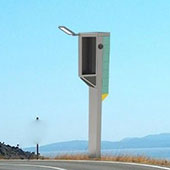
Urban areas are expected to contribute 75% of India's GDP AND house 40% of India's population by 2030. Smart city development is a step in that direction. A smart city employs Internet of Things (IoT) sensors to perceive data and use the collected data to manage assets and resources efficiently. Poles are vital infrastructure and span across most parts of the cities but serve limited applications like Lighting or Signage. Poles of the future serve as ambidextrous city nodes capable of real-time monitoring of the entire city.

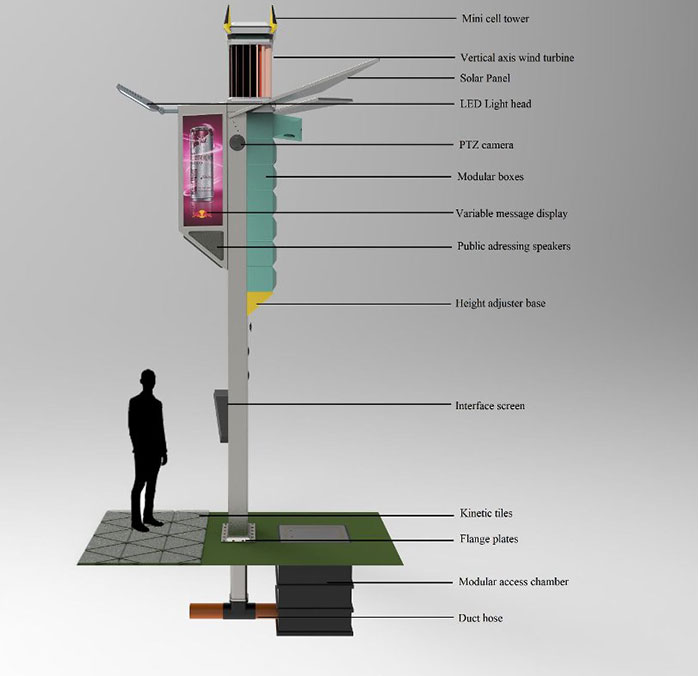
These poles accommodate equipment for real-time data gathering on roads to make infrastructure more responsive according to specific needs and achieve sustainability goals by deploying equipment that can naturally replenish the energy to meet the demand for equipment operation. Thus the value addition by redesigning the existing pole infrastructure helps to realise the vision for future smart cities. The humble street pole of the past may soon become the most valuable asset in the city's infrastructure.

Case Study Download:
• Cato - Reinterpreting Poles of Road Infrastructure......
• Cato - Reinterpreting Poles of Road Infrastructure- Report......
  • Introduction
  • Case Study - Slide Show
  • Links
  • Contact Details
  • Credits

Creating Digital-learning Environment for Design


  • Courses
  • Resources
  • Case study
  • Showcase
  • Tools
  • Gallery
  • Videos
  • Animation Design
  • Communication Design
  • Design Fundamentals
  • Interaction Design
  • Product Design
  • Tools for Design
  • Open Design
  • Contribute to our Dsource
  • About
  • People
  • Events
  • Job@D'source
  • Contact Us
  • Privacy Policy
  • Download App
  • YouTube
  • Facebook
  • Twitter

Indian Language
English Bangali Gujarati Hindi
Kannada Malayalam Marathi Punjabi
Sindhi Tamil Telugu Urdu